

21 Nov Fire Hydrant & Street Fire Plug Testing | South Australia Compliance
Introduction
Testing fire hydrants and street fire plugs is essential for guaranteeing a reliable firefighting water supply across South Australia. With legal obligations under the Development Act 1993 (48/03), MBS 002 Section 9.5(c), and AS1851 Sections 1 & 4, every property owner, facility manager and council must ensure that hydrants are inspected, tested and fully compliant.
This article outlines the top 10–12 reasons hydrant flow testing is critical, why compliance matters, and how to ensure your site meets Form 3 requirements.
Ensuring Compliance, Water Supply Reliability & Life Safety in South Australia

Links
Plan SA Technical – Maintenance of Street Fire Hydrants
1. Proving Sufficient Water Supply Pressure & Flow
Hydrant flow testing verifies that adequate water pressure and flow are available for firefighting. This ensures firefighters can operate effectively during an emergency, especially in high-risk or high-density locations.
2. Compliance With Legislative Requirements
Under the Development Act 1993 48/03 and MBS 002 Section 9.5(c), building owners and asset managers must ensure hydrants and street fire plugs are maintained and tested. Failure to maintain these assets can result in non-compliance with state legislation.
3. Meeting AS1851 Sections 1 & 4
AS1851 outlines the minimum routine servicing requirements for hydrant systems. Sections 1 and 4 detail the periodic inspections and flow-testing intervals necessary to maintain a compliant and reliable firefighting water supply network.
4. Ensuring Form 3 Compliance
In South Australia, Form 3 documentation verifies that essential safety provisions are being maintained. Hydrant and plug testing must be up to date for Form 3 compliance, which is mandatory for annual building certification and occupancy approval.
5. Real-World Firefighting Failures Show the Risks
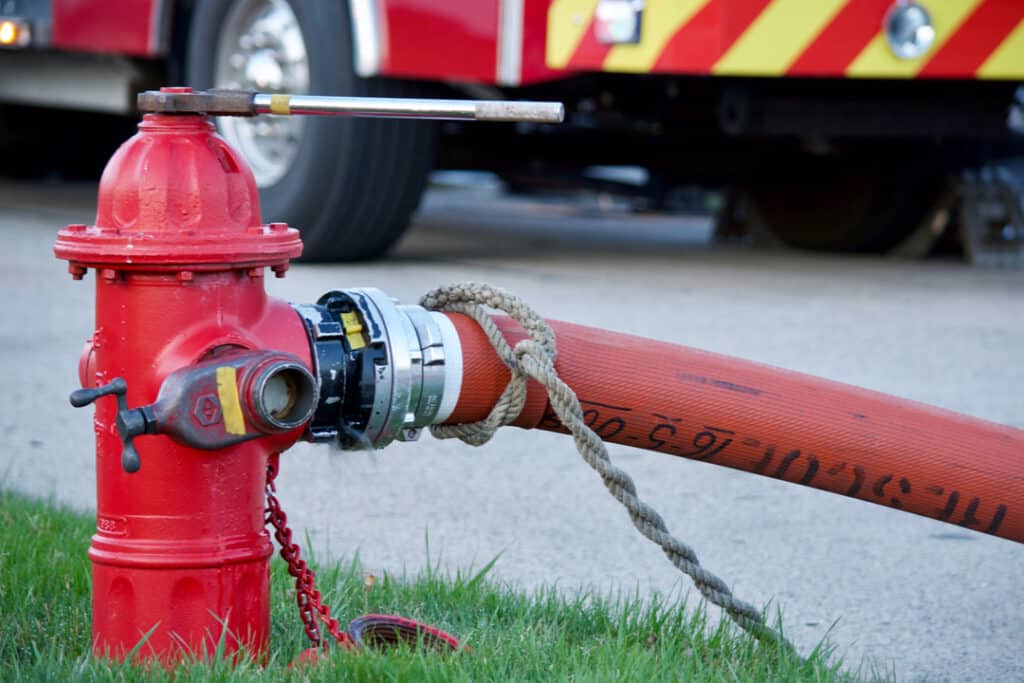
The 2025 Los Angeles Californian bushfires demonstrated how catastrophic the lack of water supply in hydrant systems can be. Firefighters faced empty hydrants and low pressure, allowing fires to spread uncontrollably. This global example reinforces the necessity of regular hydrant flow testing to prevent similar failures in Australia.
6. Identifying Blockages, Valve Failures & Pipe Restrictions
Regular testing helps detect hidden failures, such as:
- Obstructed valves
- Rusted or damaged underground pipework
- Blocked laterals
- Pressure drops caused by infrastructure faults
Without testing, these failures remain invisible until an emergency occurs and systems are required to be used.
7. Verifying SA Water & Council Infrastructure Limitations
Due to inconsistencies in how SA Water and various local councils design and manage fire plugs, hydrant testing requirements often vary by area. Some plugs are active, some are decommissioned, and many require confirmation before testing.
8. Importance of Obtaining Fire Plug ID Numbers
Because of these inconsistencies, clients should always request the official Fire Plug ID Number from their local council. This ensures the correct street plug is tested and eliminates the risk of non-compliance due to testing the wrong hydrant.
9. Prioritising Flow Testing for High-Risk Zones
Flow testing reveals weak zones in the system where supplementary firefighting measures may be required — such as booster assemblies, on-site tanks, or additional plugs.
10. Ensuring Sufficient Redundancy in Fire Supply Networks
Flow testing reveals weak zones in the system where supplementary firefighting measures may be required — such as booster assemblies, on-site tanks, or additional plugs.
11. Supporting Firefighter Safety & Building Occupant Protection
When hydrants fail, firefighter safety is compromised. Properly tested hydrants reduce response time, prevent equipment failure, and provide dependable water for structural or bushfire operations.
12. Avoiding Liability for Non-Compliant Hydrant Infrastructure
Property owners and facility managers may be liable if hydrant systems fail during an emergency due to lack of maintenance. Regular testing protects the organisation from legal exposure.
Contact Us

For compliant hydrant flow testing or street fire plug testing across South Australia:
📞 Call Fire System Services on 1300 88 3473
📧 Email: info@firesys.com.au
Fire System Services — South Australia’s trusted hydrant testing and fire safety specialists.
No Comments