

26 Nov Choosing the Right Smoke Detection System | 240V, Security & AS1670 Fire Alarms
Learn the difference between 240V smoke alarms, wireless security system smoke detectors like Ajax, and AS1670 fire alarm systems. Compare advantages, disadvantages, and find the right smoke detection solution for your home or business. Contact Fire System Services for expert advice.
Choosing the Right Smoke Detection System: 240V, Security System or AS1670 Fire Alarm
Choosing the correct smoke detection system is essential for life safety, compliance, and early warning. With several detection options available, it’s important to understand the difference between 240V hard-wired smoke alarms, modern wireless security system detectors (including Ajax), and AS1670-designed fire alarm systems.
Each system serves a different purpose and suits different building types. Here is a clear breakdown of how they work and what you need to consider.
1. 240V Hard-Wired Smoke Alarms (Occupant Warning)

What They Are
These alarms are the standard smoke detection devices installed in Australian homes. They run on the building’s 240V electrical supply with a battery backup and are often interconnected so that all alarms sound at once.
Primary Function: Occupant Warning Only
When smoke is detected, the alarm sounds inside the home, warning occupants to evacuate.
These alarms do not communicate with security monitoring or the fire brigade.
Advantages
- Cost-effective and easy to install
- Required in most residential settings
- Interconnected models offer excellent early warning
- Recommended photoelectric technology is widely available
Disadvantages
- No communication outside the home
- Relies on occupants being present
- Not suitable for commercial buildings
- Must be replaced every 10 years
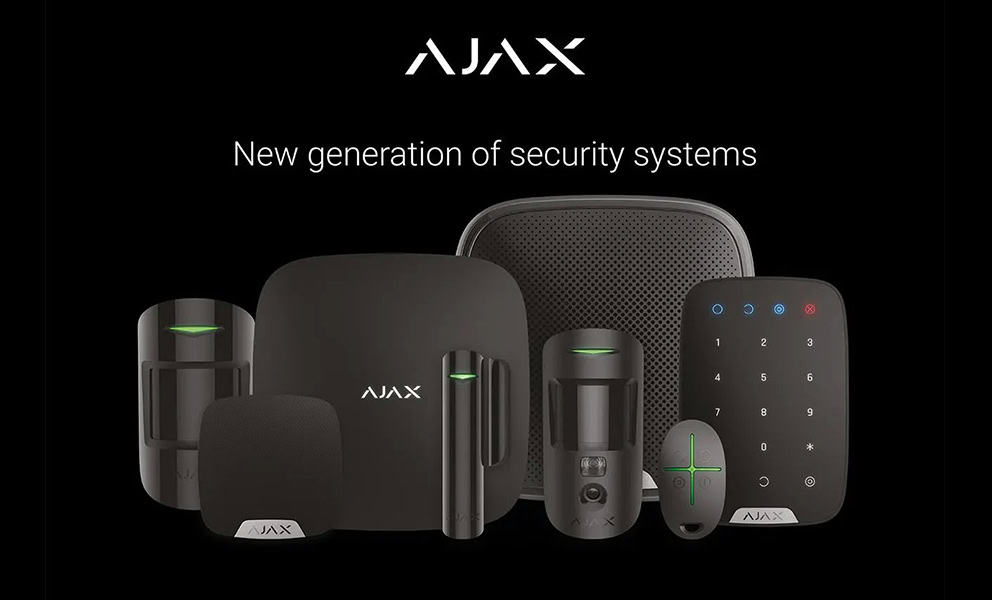
2. Security System Smoke Detectors (Including Wireless Systems Like Ajax)
What They Are
Security system smoke detectors integrate with a monitored alarm system. When smoke is detected, the system communicates directly with a security monitoring centre (base station).
Modern systems such as Ajax, Risco, Bosch, and Qolsys now provide completely wireless smoke detectors, heat detectors, and wireless manual call points (MCPs).
This makes installation fast, clean, and ideal for buildings where wiring is difficult or undesirable.
Primary Function: Notification to Security Base Station
When triggered, the system:
- Activates internal sirens
- Sends an alert to the monitoring centre
- Monitoring operators contact the owner or keyholders
- A patrol may be dispatched depending on your service plan
Note: Security systems do not directly notify the fire brigade.
Why Wireless Systems Like AJAX Are Growing in Popularity
Wireless platforms such as Ajax Systems offer:
- Fully wireless smoke & heat detectors
- Wireless MCPs (manual call points)
- No wiring required
- Encrypted long-range communication
- Extremely reliable devices with up to 7 years of battery life
- Fast, no-fuss installation
- Perfect for offices, warehouses, rentals, shops, heritage buildings, and high-end homes
Advantages
- Works even when no one is on-site
- Perfect solution where cabling is difficult
- Integrates with existing security systems
- Quick installation with no mess
- Can trigger automation (HVAC shutdown, alerts)
Disadvantages
- Does NOT automatically alert the fire brigade
- Not compliant as a primary fire detection system in commercial buildings
- Wireless devices require battery maintenance
- Monitoring response time depends on the security provider
3. AS 1670 Fire Alarm Systems (Commercial & Industrial Grade)

What They Are
AS 1670–designed fire alarm systems are engineered, certified, and installed according to strict Australian fire safety standards. They are required in many commercial, industrial, and multi-residential buildings.
Primary Function: Automatic Fire Brigade Communication
When smoke or heat is detected, the system:
- Activates building alarm sounders and strobes
- Automatically communicates with the fire brigade
- Provides zone information to firefighters
- Triggers building fire controls (e.g., fire doors, HVAC shut-down, lift recall)
- Integrates with EWIS for evacuation announcements
Advantages
- Highest level of protection and compliance
- Mandatory in many building classes
- Automatic fire brigade dispatch
- Extremely reliable with proper maintenance
- Designed for complex buildings and life-safety systems
Disadvantages
- Higher installation and maintenance costs
- Requires certified fire technicians
- Not needed for standard residential homes
Which System Should You Choose?
At the end of the day, it all comes down to what the requirements are there, that the system is meant to perform.
Who is mandating the system installation? Is it the local council fire safety committee or the local fire brigade, or is it the Insurance underwriters?
As this plays a crucial role in decision-making.
For Residential Homes:
✔ 240V interconnected photoelectric smoke alarms
Best for occupant warning and meeting residential standards.
For Offices, Shops, Warehouses & Holiday Homes:
✔ Security system smoke detectors (wired or wireless, like Ajax)
Provides remote notification when no one is on-site.
For Commercial, Industrial & Multi-Residential Buildings:
✔ AS 1670 fire alarm system
Required for compliance and provides direct fire brigade communication.
Quick Summary
240V Smoke Alarms → Occupant warning only
Security System Detectors → Notify security base station (Ajax offers wireless detectors & MCPs)
AS 1670 Fire Alarm System → Direct fire brigade communication & full building integration
Contact Us
For expert advice on choosing the right smoke detection system — from simple home installations to full AS 1670 fire alarm systems — contact the specialists:
📞 Fire System Services — 1300 88 3473
📧 info@firesys.com.au
🌐 www.firesys.com.au
Fire System Services provides reliable installation, maintenance, upgrades, and compliance solutions across all residential, commercial, and industrial properties.
No Comments