
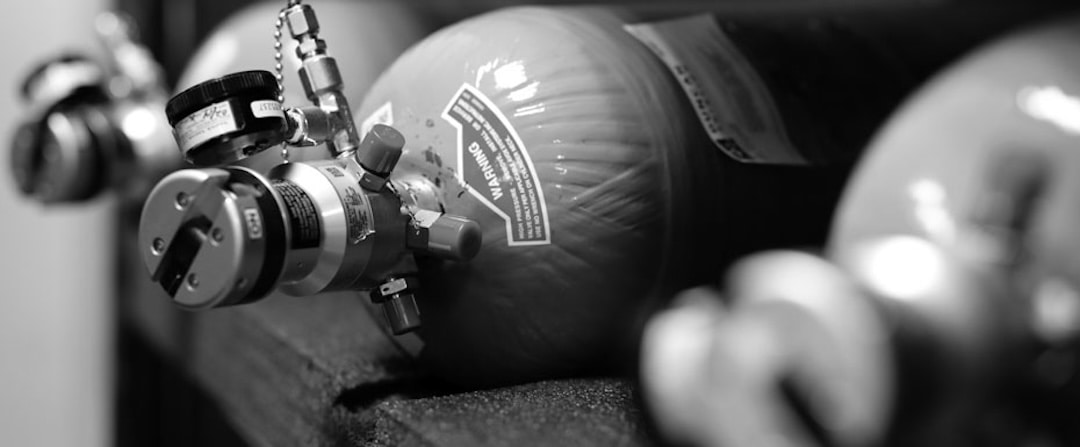
20 Nov 8 Key Points Why Checking Aviation Composite Cylinder Retest Dates & End-of-Life Limits Matters
Aviation oxygen and other composite gas cylinders are critical safety components, and their integrity must be monitored through proper inspections, retests, and end-of-life management. Below are eight essential points every aircraft operator and LAME should understand.
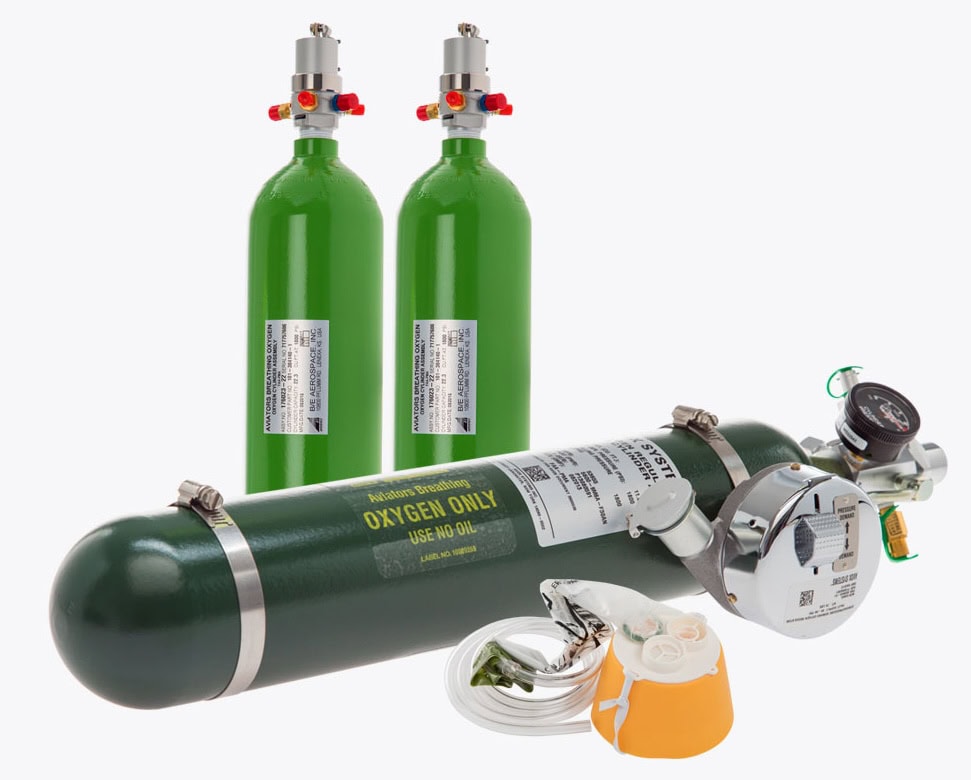
1. Aviation Composite Cylinders Require Scheduled Retesting
Composite aviation cylinders must undergo periodic retesting in accordance with CASA, FAA, EASA, or manufacturer requirements. These retests confirm the cylinder’s structural integrity and ensure it remains safe for aviation use.
2. Inspections Help Detect Damage Before It Becomes a Hazard
Cylinders can be damaged through heat exposure, UV degradation, impact, or chemical contamination. Regular inspections during maintenance events help identify concerns early, preventing failures that could compromise crew safety and aircraft systems.
3. Aviation Gas Cylinders Must Be Retested Because Pressure Cycles Stress the Material
Every fill and discharge cycle places stress on composite fibres and liners. Retesting confirms that the cylinder has not weakened over time and can safely continue in service.
4. Aviation Composite Cylinders Do Not Always Display an End-of-Life Date on the Cylinder

This is one of the biggest causes of confusion. Many aviation-specific composite cylinders do not have the end-of-life date stamped or printed on the cylinder body. This means relying solely on the bottle markings is not sufficient to determine its service life.
5. LAMEs Must Refer to the Aircraft CMM to Determine End-of-Life
Because the cylinder may not display its life limit, the Licensed Aircraft Maintenance Engineer must always refer to the aircraft’s Component Maintenance Manual (CMM). The CMM provides the authorised end-of-life date and retest intervals for each specific cylinder type and part number.
6. Most Composite Cylinders in General Use Do Have an End-of-Life Stamp
Outside of aviation—such as SCBA, industrial, or recreational composite bottles—an end-of-life date is normally stamped clearly on the cylinder. This helps avoid confusion but also highlights why aviation requirements must be treated differently.
7. Modern Composite Cylinders Have Different Shelf Life Options

Depending on the manufacturer, current-generation cylinders can have:
- 15-year shelf life,
- 35-year shelf life, or
- 45-year shelf life.
- Unlimited
This variance makes it even more important for LAMEs to follow the CMM and aircraft documentation rather than assume a standard life expectancy.
AS2030 & DOT Requirements
That is why the CASA & FAA regulations point back to AS20230 & the US Department of Transportation (DOT) requires that all aircraft oxygen cylinders be hydrostatically tested regularly to verify that they can operate under high-pressure circumstances and are free of stress fractures and rust. Different types of oxygen cylinders require varying testing durations and service life criteria:
- 3AA oxygen cylinders: Test once every five years with indefinite service life.
- 3HT oxygen cylinders: Must test every three years with a 24-year service life.
- Composite oxygen cylinders: Implement testing every five years with a 15-year service life.
8. Correct End-of-Life Management Prevents In-Service Failures
Using a composite cylinder beyond its approved life limit can lead to catastrophic failure under pressure. Proper documentation checks, retesting, and cylinder replacement schedules help ensure the safety of flight crews and passengers.
For Aviation Cylinder Retesting, Inspections, and End-of-Life Support
Need to know more about Aviation Bottle Testing, Click Here.
If your aviation composite gas cylinder is due for retest, inspection, or you need help determining its end-of-life status, contact Fire System Services.
📞 1300 88 3473
📧 info@firesys.com.au
Fire System Services are aviation-certified and ready to assist.
No Comments